
Landmarks and Experiences around Topeka, KS 66614
A Capitol Crowned in Copper
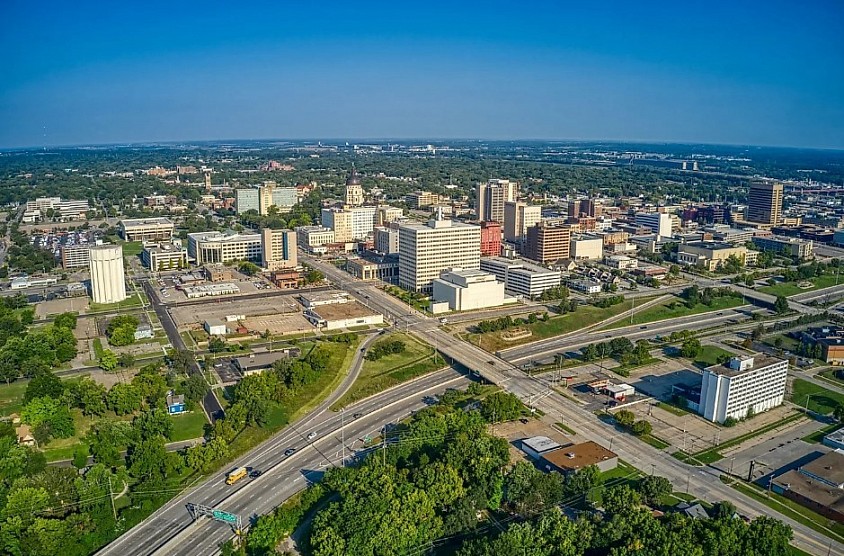
The Kansas State Capitol anchors downtown Topeka with a profile that blends classical grandeur and frontier tenacity. Its burnished copper dome, among the tallest in the nation, gleams above tree-lined streets and limestone facades. Inside, the building unfurls as a living gallery of regional history—muraled rotundas, marble stairways, and ornate chambers arranged with methodical precision. Guided tours ascend into the inner structure of the dome, revealing the sinewy ironwork that supports the landmark and panoramic views that spread over the city’s grid and the Kansas River corridor. On the grounds, statues commemorate pivotal figures, while interpretive plaques quietly narrate episodes of territorial struggle, expansion, and civic aspiration. The Capitol is not a static monument. It is a working crossroads where policy, memory, and architecture intersect.
Echoes of Equality on Monroe Street
South of downtown, Brown v. Board of Education National Historical Park occupies the former Monroe Elementary School, its brick halls now a testament to a pivotal legal watershed. Exhibits juxtapose classroom implements with courtroom transcripts, drawing a direct line from playground inequality to constitutional transformation. Multimedia installations amplify personal narratives—teachers, students, and families who navigated the turbulent mid-century struggle for equal education. Step outside, and the neighborhood’s quiet streets feel contemplative, an evocative setting for reflecting on civic progress and unfinished work. The site’s programming changes seasonally, ranging from community discussions to youth-focused learning experiences, each harnessing the building’s resonance as both museum and moral compass.
Gardens by the Lake
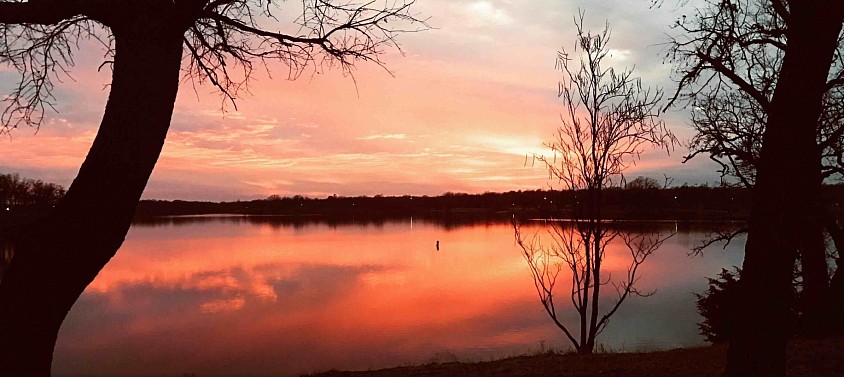
Lake Shawnee, southeast of the city center, wraps around a shimmering basin of water with trails, coves, and wind-brushed reeds. On the western shore, Ted Ensley Gardens unfolds as an intricate tapestry of color—from spring tulips arrayed in exuberant parterres to late-summer perennials nodding beside stone-lined paths. Arbors and overlooks punctuate the garden’s meanders, offering tranquil vantage points for birdwatching or photography. Anglers dot the piers, while kayakers slip quietly along the shoreline’s serpentine edge. Summer evenings bring an unhurried conviviality to picnic lawns where grills sizzle and laughter drifts with the breeze. During seasonal festivities, illuminated pathways lend the gardens a theatrical glow, transforming familiar beds into corridors of light.
Creatures, Curiosity, and Carousel
Gage Park, a civic green cherished for generations, offers a medley of nostalgia and discovery. The Topeka Zoo & Conservation Center, nestled amid towering shade trees, introduces visitors to giraffes, great apes, and an expanding cohort of conservation-focused habitats. Interactive areas empower children to connect with animal care and ecological stewardship. Nearby, the Kansas Children’s Discovery Center becomes a laboratory of wonder—engineering exhibits, outdoor play zones, and hands-on science experiments spark ingenuity in small minds. Cap the visit with a ride on the vintage carousel or a circuit aboard the mini-train, both spinning threads of old-fashioned merriment through a modern park. Paths weave among rose beds, ponds, and picnic shelters, making Gage Park a day-long itinerary contained within a single, gracious landscape.
Iron, Engines, and Daring Feats
A short drive south toward Forbes Field, the Combat Air Museum preserves the muscular silhouette of aviation history. Hangars bristle with aircraft, from Cold War jets to venerable trainers, each displayed with meticulous context—spec sheets, crew stories, and engineering diagrams that honor both machine and maker. Across town, the Evel Knievel Museum introduces a different school of audacity. Display cases shine with showman’s regalia, while meticulously restored motorcycles and jump schematics convey the calculations behind every spectacle. Simulators and archival footage animate the physics of momentum and risk. Together, these institutions reveal a city conversant in ingenuity—from aeronautical breakthroughs to the kinetic bravado of a singular American icon.
Brick, Timber, and Territorial Tales
Old Prairie Town at Ward-Meade Park arranges historic structures—relocated or reconstructed—into a walkable streetscape that channels 19th-century life. The general store creaks with wooden counters; a prairie home displays quilts and cast-iron utensils; and gardens flourish with heirloom botanicals. Seasonal events enliven the lanes with period music, demonstrations, and wafting scents from old-world kitchens. At the Historic Ritchie House, abolitionist roots run deep, and interpretive tours illuminate the property’s role in Underground Railroad activity. Together, these sites braid Topeka’s early civic fabric—unyielding, pragmatic, and animated by the restless momentum of the plains.
Art Pulsing on the North Shore
North of the river, the NOTO Arts and Entertainment District hums with galleries, studios, and street murals. Warehouse brick becomes canvas; alleyways morph into sculpture corridors; storefront windows shift monthly with new installations. On market days, the district surges with artisans, buskers, and food purveyors, creating an immersive bazaar of texture, sound, and aroma. Evening events transform the neighborhood again, calling residents and travelers to patios where jazz reverberates and conversation stretches into the night. Beyond commerce, NOTO functions as a civic atelier—mentoring makers, convening workshops, and cultivating the kind of aesthetic curiosity that keeps a city nimble and imaginative.
Trails, Prairies, and River Bluffs
Outdoor enthusiasts migrate to Kaw River State Park and the adjoining MacLennan Park, where trails coil through wooded ravines and climb to overlooks above the broad, slow river. At dawn, the light scatters like mica over the water, and deer ghost through the underbrush. Cyclists favor the Shunga Trail, an arterial greenway flowing east to west across town, threading neighborhoods, ballfields, and creekside thickets. Birders stake quiet corners along oxbows and wet meadows, ticking off seasonal arrivals with serene focus. The city’s parklands act as ecological classrooms, revealing that Topeka’s character is wedded as much to riparian rhythms and prairie resilience as to marble domes and gallery lights.
Additional Nearby Highlights
- Great Overland Station, an elegantly restored rail depot with river views and transportation exhibits.
- Charles Curtis House Museum, honoring the U.S. vice president and Kansas statesman with period furnishings.
- Dornwood Park, a sylvan expanse of trails, prairie remnants, and serene creek crossings.
- Equality House, a vibrant symbol of inclusion and community dialogue.
- Truckhenge, an unconventional outdoor art site east of town where imagination bends the rules of scale.
Together, these destinations offer a finely grained portrait of Topeka’s cultural and natural landscape. Civic courage, artistic verve, botanical grace, and open-sky recreation converge within easy reach of Topeka, KS 66614. The result is a city that rewards curiosity—one neighborhood, trail, gallery, and garden at a time.
River, Prairie, and Heritage: Notable Places around Topeka, KS 66614
The city’s west side rests near a tapestry of prairieland, river corridors, and institutions that document pivotal moments in American life. Across Topeka, KS 66614, the landscape invites close exploration—on foot, by bicycle, and through storied galleries and museums. The following guide surveys cultural anchors, outdoor sanctuaries, and quietly compelling corners that reward curiosity in every season.
Civic Landmarks and Living History
Topeka’s civic core bears the imprint of decisions that reshaped the nation. Architectural splendor, court-tested ideals, and personal narratives converge to form an accessible, walkable chronicle of Kansas identity. Visitors will notice statuary aloft, marble corridors underfoot, and interpretive exhibits distilled from rigorous scholarship. Docent-led tours provide context; self-guided experiences encourage lingering.
- Kansas State Capitol and Ad Astra statue
- Brown v. Board of Education National Historical Park
- Charles Curtis House Museum
- Great Overland Station
- Historic Jayhawk Theatre
The Kansas State Capitol’s dome—topped by the bronze Kansa archer—commands the skyline and offers a panoramic view of the river valley after a spirited climb. Just south, the former Monroe School houses the Brown v. Board site, where exhibits examine the legal architecture of school desegregation and its human cost. Great Overland Station, a Beaux-Arts railway citadel, translates the rise of rail into the language of vaulted ceilings and timeworn platforms. Each space rewards an unhurried pace.
Art, Culture, and Neighborhood Flourish
Artistic energy thrives on both sides of the river. Murals blaze across retaining walls, artisan studios hum, and performance spaces mix historic ambience with modern programming. The sensory range is broad: gallery quietude, street-fair bustle, and an evening hush punctuated by saxophone from a nearby stage.
- NOTO Arts & Entertainment District
- Great Mural Wall of Topeka
- Topeka Performing Arts Center
- Mulvane Art Museum at Washburn University
- Equality House
In NOTO, old brick storefronts now shelter galleries, craft shops, and culinary hideaways. First Friday happenings animate the district, while daytime reveals studios where makers discuss process in plainspoken detail. The Great Mural Wall meanders through a park corridor, layering community memory in pigment and pattern. On campus, the Mulvane curates rotating exhibitions that interlace regional voices with national dialogues, encouraging reflective wanderings between sculpture and canvas.
Family Discovery and Hands-on Learning
Young minds flourish in spaces designed for tinkering and inquiry. These venues transform learning into kinetic play and narrative-rich exploration. Exhibits toggle between STEM challenges, natural history vignettes, and evocative reconstructions of earlier eras.
- Kansas Children’s Discovery Center
- Ward-Meade Historic Site & Old Prairie Town
- Ward-Meade Botanical Garden
- Kay McFarland Japanese Garden at Topeka Zoo
- Topeka Zoo & Conservation Center
At the Discovery Center, children experiment with engineering stations, water tables, and outdoor adventure structures beneath a canopy of shade trees. Old Prairie Town reimagines a 19th-century streetscape with a working blacksmith shop, heirloom gardens, and a wood-frame schoolhouse, turning abstract history into tactile experience. Nearby, the Kay McFarland Japanese Garden tempers the senses with stone lanterns, koi ponds, and maples that blaze in autumnal fire.
Parks, Water, and Trails for Every Tempo
Greenways and waterways envelop the city, offering a generous menu of miles for pedaling, paddling, and ambling. The river corridor delivers migratory birdlife in spring, while prairie openings shimmer with bluestem in late summer. Evening skies unfurl drama—amethyst, then indigo.
- Lake Shawnee and Adventure Cove
- Ted Ensley Gardens
- Kaw River State Park
- Shunga Trail
- Dornwood Park and Nature Trail
Lake Shawnee’s circuit blends shoreline vistas with breezy picnic clearings. Adventure Cove adds paddlecraft and summer splash, offset by the floral choreography of Ted Ensley Gardens—peonies in May, roses in June, chrysanthemums by fall. The Shunga Trail glides beneath sycamores through the heart of town, while Dornwood’s forested loops bring woodpecker calls and leaf-littered hush. Kaw River State Park carves singletrack along limestone bluffs, a quick escape that feels remote yet sits minutes from neighborhoods.
Aviation, High-Octane Heritage, and Military Stories
Engines, airframes, and audacious feats punctuate Topeka’s industrial saga. At Forbes Field, aircraft and artifacts sit within reach, their rivets and gauges speaking to design problem-solving and human nerve. Across town, a motorcycle icon’s artifacts narrate spectacle and grit in equal measure.
- Combat Air Museum
- Museum of the Kansas National Guard
- Evel Knievel Museum
- Great Overland Station rail exhibits
Hangars at the Combat Air Museum frame propellers and jets against open sky, while the adjacent National Guard museum contextualizes service through vehicles, uniforms, and first-person accounts. The Evel Knievel Museum assembles bikes, ramps, and film to parse the geometry of a jump and the calculus of risk, a study in physics rendered visceral.
Day Trips and Regional Diversions
Beyond city limits, reservoirs, university collections, and quirky folk art amplify the itinerary. The broader corridor ties prairies to wetlands and galleries to gravel roads, rewarding spontaneous detours.
- Clinton Lake and Prairie Park Nature Center (Lawrence)
- Spencer Museum of Art and KU Natural History Museum (Lawrence)
- Perry Lake trails and overlooks
- Truckhenge in Tecumseh
- Iliff Commons and Riverfront Park along the Kaw
Lawrence’s museums pair academic depth with approachable curation—fossil galleries and Plains artworks sit within strolling distance. Perry Lake’s peninsulas offer shaded fishing nooks and ridge-top views that drink in wind and water. Truckhenge recounts eccentric Americana in welded steel and whimsy. Iliff Commons, stitched with prairie and woodland, feels like a private sanctuary; Riverfront Park opens the gateway to paddling routes along the Kaw.
Market Bites, Historic Blocks, and Evening Strolls
Culinary moments and architectural rambles round out the day. Saturday mornings buzz with growers and bakers; afternoons invite porch-lined neighborhoods and terracotta detailing.
- Topeka Farmers Market
- Potwin Place Historic District
- Kansas Avenue streetscapes and pocket parks
- Vinewood Historic Venue
- Cypress Ridge Golf Course
The Farmers Market brims with heirloom tomatoes, Flint Hills honey, and small-batch pastries. Potwin Place unfurls Queen Anne turrets and wraparound verandas, an elegant grid ideal for a lingering walk. Kansas Avenue’s renovated blocks mingle public art with shade trees, culminating in a riverward breeze as dusk settles. Evenings at the Vinewood blend dancehall nostalgia with live music, while a round at Cypress Ridge offers sunset fairways ringed by meadowlarks.
Across Topeka, KS 66614, the interplay of river, prairie, and civic memory creates a destination that feels richly layered, welcoming, and continually surprising. The city asks for good walking shoes, an inquisitive outlook, and time—time to pause, to listen, to look again.